Camera Inspection Reveals Bigger Problems: Repair Cost Estimates Guide
Joe Rushing
When camera inspection reveals bigger problems in Lubbock homes, get non-invasive diagnostics and targeted repair strategies.
Camera Inspection Reveals Bigger Problems: Repair Cost Estimates Guide
When Camera Inspection Reveals Bigger Problems Than You Expected
When camera inspection reveals bigger problems underground, most homeowners are caught completely off guard — what started as a slow drain or a gurgling toilet turns out to be something far more serious hiding inside the pipe.
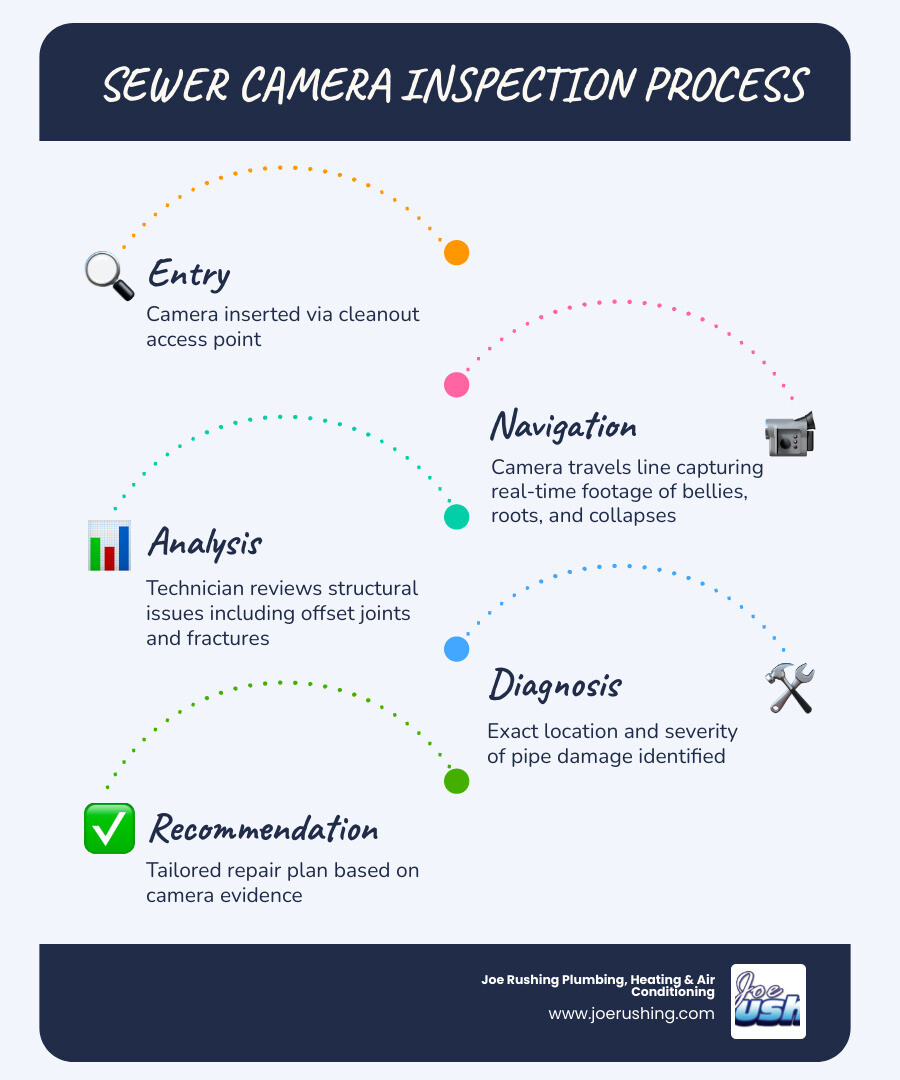
Here is a quick summary of what a sewer camera inspection commonly uncovers when bigger problems are present:
- Structural pipe bellies — low-lying sags where waste pools and backs up repeatedly
- Root intrusion — fibrous masses forcing their way through joints and hairline cracks
- Offset joints — sections shifted out of alignment, creating ledges that catch debris
- Corrosion and deterioration — rust or flaking on the interior walls of aging metal pipes
- Partial or full pipe collapse — sections that have caved in and can no longer carry flow
- Cracked or fractured pipe walls — caused by ground movement, heavy surface loads, or age
If you are seeing any of these signs — recurring backups, sewage odors, multiple slow fixtures, or repeated drain cleanings that never seem to fix the issue for long — a camera inspection is the most direct way to find out what is actually happening inside your lines.
Most plumbing problems look identical from the surface. Slow drains, foul smells, and backups that seem to come out of nowhere could each point to a dozen different causes. Without seeing inside the pipe, even experienced plumbers are making educated guesses. A sewer camera removes that guesswork entirely by delivering real-time footage straight from inside the line, showing not just that there is a problem, but exactly what it is and precisely where it sits.
This matters because the wrong diagnosis leads to the wrong fix. Snaking a line that has already partially collapsed does not solve the collapse — it just delays it. Cleaning a pipe that is bellied does not remove the belly. And patching a section with active root intrusion without addressing the entry point means the roots come back. Camera footage changes all of that by giving you and your plumber a clear, factual picture before any repair decision is made.
I am Ronda Rushing Brown, a third-generation leader at Joe Rushing Plumbing, Heating & Air Conditioning, and in my years working alongside our licensed technicians, I have seen how when camera inspection reveals bigger problems early, homeowners in Lubbock and Levelland consistently avoid far more disruptive and costly repairs down the road. Understanding what the footage actually means — and what to do next — is exactly what this guide is here to help you with.
What Hidden Structural Issues Does a Sewer Camera Uncover?
When we talk about sewer lines, we are dealing with an environment that is constantly under stress. Between the weight of the West Texas soil, the relentless search for water by tree roots, and the natural chemical reactions occurring inside the pipes, structural failure is often a matter of "when," not "if." A camera inspection acts like a medical scan for your home's "arteries," revealing issues that a standard drain snake simply cannot detect.
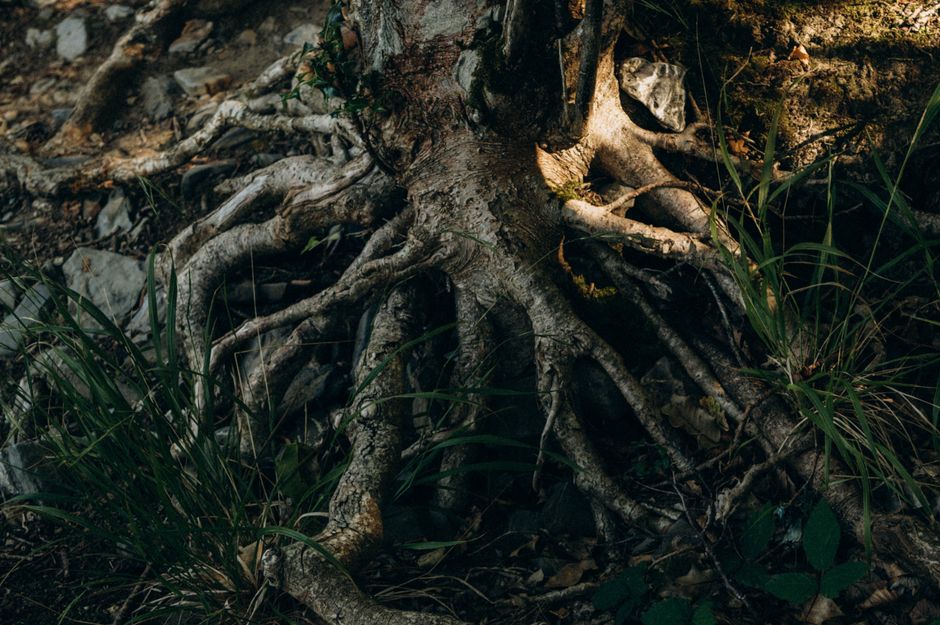
One of the most common findings is root intrusion. In the semi-arid climate of Lubbock and Levelland, tree roots are incredibly aggressive. They can sense the moisture and nutrients inside your sewer line and will work their way through even the smallest hairline fracture or loose joint. On camera, these appear as thick, fibrous masses that trap toilet paper and grease, eventually acting like a dam.
Pipe corrosion is another frequent culprit, especially in older homes with cast iron or galvanized steel lines. Over decades, these pipes corrode from the inside out. In our footage, we often see "channeling" (where the bottom of the pipe has completely rusted away) or "scaling," which is a flaky, rust-like texture on the inner walls that narrows the passage and catches debris.
We also look for offset joints. This happens when two sections of pipe shift out of alignment, creating a "ledge." These ledges are notorious for causing recurring clogs because they stop the natural flow of waste. If the shift is severe enough, it can lead to a full pipe collapse, where the surrounding soil falls into the line, blocking it entirely.
To truly understand how these issues differ between the main sewer line and the smaller lateral lines connecting your fixtures, we recommend a Deep Dive into Mainline and Lateral Line Camera Inspections. This helps distinguish between a localized fixture problem and a systemic mainline failure.
When Camera Inspection Reveals Bigger Problems in Your Lubbock Home
In West Texas, we face unique environmental challenges that can turn minor plumbing annoyances into major structural headaches. We often tell our neighbors: if you find yourself calling for a drain cleaning more than once a year for the same line, you don't have a clog problem; you have a pipe problem.
Scheduling an inspection is about moving from "guesswork" to "certainty." It is especially crucial during pre-purchase due diligence. Most standard home inspections only verify that the water drains; they don't look at the structural integrity of the pipes buried six feet underground. For a home over 20 years old, or one with mature trees in the yard, skipping this step can result in inheriting a massive repair bill just weeks after closing.
If you are tired of the "snake and pray" method, it is time to Stop Guessing and Start Seeing with Lubbock Sewer Camera Inspections.
When camera inspection reveals bigger problems like structural pipe bellies
A "belly" in a sewer line is essentially a sag. Imagine a straw that has been bent downward in the middle; water will sit in that low spot rather than flowing through. In the plumbing world, this is a major issue because sewer systems rely on gravity to move waste.
In Lubbock, our soil can be prone to shifting or settling, especially after heavy rains or during periods of extreme drought. When the ground underneath a pipe moves, the pipe loses its "grade." On a camera inspection, a belly is identified by "standing water." If the camera lens goes underwater in a section of pipe that should be dry, we know there is a sag. These bellies accumulate sludge and debris over time, leading to those frustrating, recurring backups that no amount of chemicals or light snaking can permanently fix.
When camera inspection reveals bigger problems such as severe root intrusion
Root intrusion is perhaps the most deceptive problem. You might clear a clog with a mechanical snake, and the water flows again, giving you a false sense of security. However, the camera often reveals that the snake simply punched a small hole through a massive root ball.
Severe root intrusion can lead to joint separation, where the force of the growing roots actually pushes the pipe sections apart. Once the joint is open, more soil enters the line, and more roots follow. This cycle accelerates pipe failure. For a deeper look at how to protect your home from these subterranean invaders, check out The Homeowner's Guide to Preventing Sewer Line Headaches.
How Visual Evidence Changes Your Repair Strategy
The biggest advantage of a camera inspection is that it dictates the method of repair. In the old days, if a sewer line was backed up, the only solution was "exploratory digging" — essentially trenching your entire yard or jackhammering your garage floor just to find the leak.
Today, visual evidence allows us to be surgical. If the camera shows that the pipe is still structurally sound but has a few cracks or root entries, we can often utilize trenchless repair. At Joe Rushing, we are proud to be Perma-Liner certified. This "no-dig" technology allows us to pull a new, resin-hardened liner inside your existing pipe. It creates a "pipe within a pipe" that is seamless and root-proof, all without destroying your landscaping.
However, if the camera reveals a full collapse or a severe belly, lining might not be an option. A liner follows the path of the existing pipe; if the pipe is sagged or crushed, the liner will be too. In these cases, a traditional replacement or a targeted spot repair is necessary.
The choice between these methods is a high-stakes decision. You can see the pros and cons laid out in our guide: Sewer Camera Inspection vs Exploratory Digging: The Ultimate Showdown.
Matching solutions to pipe condition
Not every damaged pipe is a candidate for every repair. Here is how we use the camera to decide:
| Pipe Condition | Recommended Fix | Why? |
|---|---|---|
| Cracks / Pinholes | Trenchless Lining | Seals the pipe without excavation. |
| Root Intrusion | Hydro Jetting + Lining | Clears roots and prevents them from returning. |
| Severe Belly | Excavation / Re-grading | Gravity flow must be physically restored. |
| Full Collapse | Traditional Replacement | The structural path for a liner no longer exists. |
| Minor Scaling | Hydro Jetting | Scours the walls to restore diameter. |
By seeing the damage firsthand, we can offer the most efficient and long-lasting Sewer Line Repair & Replacement Lubbock TX for your specific situation.
The Risks of Skipping a Diagnostic Scan for Aging Systems
Skipping a camera inspection is a gamble that rarely pays off, especially in West Texas where foundation issues are a constant concern. A leaking sewer line under a home can saturate the soil, leading to foundation "heave" or settling. By the time you see cracks in your drywall or feel your floors sloping, the underground damage has already become a catastrophe.
When camera inspection reveals bigger problems early, it acts as a preventative measure. It allows you to address a hairline fracture before it becomes a full collapse during a holiday weekend when your house is full of guests. Emergency plumbing calls are stressful and disruptive; a planned repair based on a diagnostic scan is manageable.
Think of it as the difference between an oil change and an engine replacement. One is a routine maintenance step; the other is a result of neglect. For more on how these diagnostics protect your property value, read our Pipe Camera Inspection in Lubbock TX: A Homeowner's Guide to Non-Invasive Diagnostics.
Understanding the Limitations of Pipe Footage
While camera technology is revolutionary, it isn't magic. There are certain conditions that can limit what we can see. The most common obstacle is poor visibility due to standing water. If a pipe is completely blocked and filled with sewage, the camera is essentially "swimming" in murky water. We can't see the walls of the pipe if the water is opaque.
In these instances, we usually have to perform a preliminary cleaning — often using hydro jetting (high-pressure water) — to clear the standing water and debris. Once the flow is restored, we can re-insert the camera to get a clear look at the structural condition of the pipe.
Heavy grease buildup can also coat the camera lens, making the footage look like a blurry mess. This is why we emphasize that a camera inspection is a diagnostic tool that often works in tandem with other services. To get the most out of the technology, it helps to See What Your Plumber Sees with Camera Tech and understand the preparation required for a successful scan.
Frequently Asked Questions about Sewer Diagnostics
How long does a professional camera inspection take?
In most Lubbock homes, a standard inspection takes about 45 to 90 minutes. This includes locating the cleanout, running the camera to the city main or septic tank, and recording the footage for the report. If we encounter heavy blockages that require cleaning first, it may take longer.
Can a camera find leaks under a concrete slab?
Yes and no. A camera can identify a crack, a hole, or a separated joint in a pipe under a slab. However, it cannot "see" water leaking out into the soil. To confirm a slab leak, we often combine camera footage with hydrostatic pressure testing or electronic leak detection equipment.
Is an inspection necessary before hydro jetting?
We highly recommend it. Hydro jetting uses intense water pressure. If the camera reveals that your pipe is extremely thin, brittle, or already partially collapsed, the pressure from the jetter could cause further damage. We want to ensure the pipe is strong enough to handle the cleaning process.
Conclusion
Since 1948, Joe Rushing Plumbing, Heating & Air Conditioning has been a fixture in the Lubbock and Levelland communities. As the second oldest plumbing company in Lubbock, we have seen every type of pipe failure imaginable. We’ve grown from basic wrenches to high-definition underground cameras and Perma-Liner trenchless technology because we believe our neighbors deserve the most efficient, non-invasive solutions available.
When camera inspection reveals bigger problems, you don't have to face them alone. Our team of licensed and insured technicians (TACLA024534C & M-12583) is available 24/7 to help you navigate these discoveries with honesty and expertise. Whether it's a simple clog or a complex structural issue, we are committed to protecting your home and family.
If you suspect your drains are hiding a secret, don't wait for a backup to tell you the truth. Contact us today for professional General Plumbing Lubbock TX and see exactly what is happening beneath your feet.
Need HVAC Help?
Our certified technicians are ready to help with all your heating and cooling needs.
Get Free EstimateMore Articles
View All PostsRelated Articles
Ready to Get Started?
Whether you need a repair, maintenance, or a new system installation, our expert team is here to help.