Don't Let Hard Water Win: Protecting Your Home's Plumbing
Joe Rushing
Learn how to protect your plumbing from hard water damage with softeners, maintenance tips & pro services in Lubbock, TX. Save pipes now!
Don't Let Hard Water Win: Protecting Your Home's Plumbing
Why Hard Water Is a Silent Threat to Your Home's Plumbing
How to protect your plumbing from hard water damage is something every homeowner in Lubbock and Levelland should know — and the good news is, it doesn't have to be complicated. Here's a quick overview of the most effective ways to do it:
- Install a water softener or conditioner to remove or neutralize calcium and magnesium minerals before they reach your pipes
- Flush your water heater annually to clear out sediment buildup that reduces efficiency
- Soak faucet aerators and showerheads in white vinegar to dissolve existing mineral deposits
- Upgrade to PEX piping where possible, as it resists limescale better than older metal pipes
- Schedule a professional plumbing inspection every 3 to 5 years to catch scale-related damage early
- Use a reverse osmosis or sediment filter for targeted protection at the point of use
Now, here's why all of this matters.
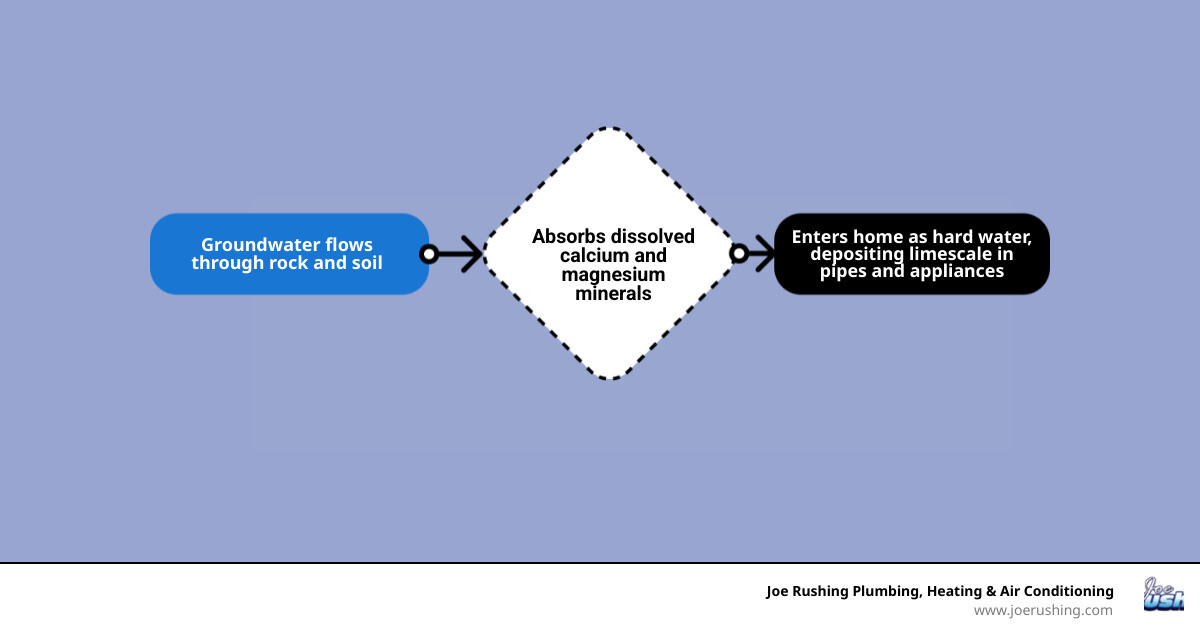
Hard water is water that carries high levels of dissolved minerals — mainly calcium and magnesium — picked up as groundwater moves through rock and soil. It's not a rare problem. About 85% of U.S. households deal with it, and in West Texas, it's especially common. As of April 2026, water quality data continues to show that mineral hardness remains one of the leading causes of premature plumbing wear across the region.
What makes hard water so tricky is that the damage builds slowly. You might notice white chalky residue around your faucets, water spots on your glasses, or laundry that feels stiff after washing. Those are surface clues. Underneath, minerals are quietly narrowing your pipes, coating your water heater's heating elements, and shortening the life of appliances like your dishwasher and washing machine. Homes with hard water can see a 25% drop in water flow as mineral buildup accumulates — and that's just the beginning of the downstream effects.
The damage doesn't announce itself until it's already expensive to fix. A water heater working harder than it should. A pipe that springs a pinhole leak. An appliance that gives out years too soon. These aren't random bad luck — they're often the predictable result of untreated hard water.
I'm Ronda Rushing Brown, a third-generation leader of one of the region's longest-running plumbing and HVAC companies, and I've spent years helping homeowners in Lubbock and Levelland understand how to protect your plumbing from hard water damage before it turns into a costly repair. In this guide, I'll walk you through everything you need to know — from spotting the early warning signs to choosing the right long-term solution for your home.
Identifying the Signs and Impact of Mineral Buildup

Hard water doesn’t just show up unannounced; it leaves a trail of evidence. If you’ve ever looked at your bathroom faucet and seen a white, chalky residue that just won’t scrub away, you’ve met "limescale." This is primarily calcium carbonate, and while it looks like a cosmetic nuisance on the outside, it is a structural threat on the inside.
Beyond the visible crust on your fixtures, hard water changes how your home functions. You might notice that your soap doesn't lather well, leaving behind a sticky "soap scum" in the tub. Your glassware might come out of the dishwasher looking cloudy or spotted, and your favorite t-shirts might feel scratchy or look dull. These are all signs that minerals are interfering with your water’s ability to clean.
More importantly, these minerals are building up inside your pipes. This accumulation can lead to a 25% water flow reduction, making your morning shower feel more like a light drizzle than a refreshing soak. Over time, this buildup creates internal pressure that can lead to Leak Detection Repair Lubbock TX needs as pipes become brittle or joints fail. If your fixtures are already showing heavy signs of tarnish or "pitting," it might be time to consider Plumbing Fixture Installation Repair Lubbock TX to restore both the look and function of your kitchen or bath.
Understanding Grains Per Gallon (GPG)
To fight hard water, we first have to measure it. In the plumbing world, we use a unit called Grains Per Gallon (GPG).
- Soft Water: Less than 1 GPG
- Moderately Hard: 3.5 to 7 GPG
- Hard Water: 7 to 10 GPG
- Very Hard Water: Over 10 GPG
In West Texas, we aren't just dealing with "hard" water; we often deal with "very hard" water. It is common to see levels exceeding 13 to 15 GPG in our region. When water is this mineral-dense, the "quiet" damage happens much faster. Understanding your home's GPG level is the first step in deciding which treatment system is right for you.
Proven Strategies: How to Protect Your Plumbing from Hard Water Damage
When it comes to how to protect your plumbing from hard water damage, the best defense is a proactive one. You don't want to wait until a pipe bursts or your water heater dies in the middle of a West Texas cold snap. By treating the water at its entry point into your home, you can stop mineral buildup before it ever has a chance to settle.
Whether you are in a historic home or a new build, General Plumbing Lubbock TX services can help evaluate your current system and recommend the best path forward.
How to Protect Your Plumbing from Hard Water Damage in Your Pipes
Your pipes are the highway of your home, and limescale is the equivalent of a permanent traffic jam. As minerals solidify, they narrow the interior of the pipe, which increases water pressure and forces your plumbing to work harder. This can eventually lead to pinhole leaks, especially in older copper or galvanized steel lines that are susceptible to corrosion.
One modern solution is upgrading to PEX piping. Unlike metal pipes, PEX is a flexible plastic that is naturally resistant to limescale buildup. It doesn't corrode and can handle the mineral-heavy water of our region much better than traditional materials. For those who want to protect their existing pipes without a full repipe, epoxy pipelining is a fantastic option. This process creates a smooth, protective barrier inside your current pipes that prevents minerals from sticking and stops chemical leaching. If you suspect your pipes are already struggling, our Leak Detection Repair Levelland TX team can pinpoint exactly where the buildup is causing the most stress.
How to Protect Your Plumbing from Hard Water Damage in Appliances
Your appliances are often the most expensive victims of hard water. Statistics show that washing machines using hard water can suffer a 30% reduction in lifespan. The minerals clog the small valves and coat the heating elements, causing the motor to overwork.
Dishwashers face similar struggles, often requiring more detergent to get dishes clean, which only adds to the chemical buildup. But the biggest loser is usually the water heater. As scale accumulates at the bottom of the tank, it acts as an insulator between the burner and the water. This can cause a 25% efficiency loss, meaning you’re paying more on your energy bill for less hot water. If your heater is making "popping" or "rumbling" sounds, that's often the sound of steam bubbles escaping through a thick layer of sediment. In these cases, Water Heater Repair Installation Lubbock TX is essential to prevent a total tank failure.
Comparing Water Softeners, Conditioners, and Filtration
Choosing a treatment system can feel overwhelming, but it mostly comes down to whether you want to remove the minerals or just neutralize them.
| Feature | Salt-Based Water Softener | Salt-Free Water Conditioner | Reverse Osmosis (RO) |
|---|---|---|---|
| Process | Ion Exchange (using resin beads) | Template Assisted Crystallization (TAC) | Membrane Filtration |
| Mineral Removal | Removes calcium & magnesium | Keeps minerals but prevents sticking | Removes minerals & contaminants |
| Maintenance | Requires salt refills | Filter/Media changes | Filter changes |
| Best For | Whole-home protection; very hard water | Eco-conscious; moderate hardness | Drinking water; specific appliances |
| Effect on Soap | Improves lather significantly | Minimal effect on lather | N/A (usually point-of-use) |
Salt-based softeners remain the gold standard for West Texas. They swap hardness ions for sodium or potassium ions, effectively "softening" the water so it won't form scale. Water conditioners, on the other hand, don't remove the minerals; they change their chemical structure so they stay suspended in the water rather than sticking to your pipes.
For the ultimate protection, many homeowners pair a whole-home system with a sediment filter to catch larger particles or a Reverse Osmosis system for the kitchen to ensure the best-tasting drinking water. Our experts in Water Heater Repair Installation Levelland TX often recommend these systems to extend the life of new heaters.
DIY Maintenance and Professional Prevention Tips
You don't always need a major installation to make a difference. There are several DIY steps you can take today to mitigate damage:
- The Vinegar Soak: Remove your showerheads and faucet aerators and soak them in a bowl of white vinegar overnight. This dissolves the calcium crust and restores your water pressure.
- Annual Tank Flushing: At least once a year, you should flush your water heater. This involves draining the tank to wash out the "sand" or mineral sediment that settles at the bottom.
- Anode Rod Inspection: Your water heater has a "sacrificial" anode rod designed to corrode so your tank doesn't. Hard water eats these rods quickly. Checking them every 2 years can save your tank.
- Appliance Cleaning: Run a cup of vinegar through an empty dishwasher or washing machine cycle once a month to help clear out internal scale.
While DIY helps, professional maintenance is the key to long-term safety. Regular Drain Cleaning Lubbock TX ensures that the soap scum and mineral buildup in your waste lines don't turn into a backup. In Levelland, where water can be particularly stubborn, Drain Cleaning Levelland TX helps keep the entire system flowing freely.
Frequently Asked Questions about Hard Water
How can I test for hard water at home?
There are a few "old school" ways to check. The Soap Suds Test involves filling a jar with water, adding a few drops of dish soap, and shaking it. If the water gets cloudy with very few bubbles, it’s hard. If it’s full of suds and the water stays clear, it’s soft. You can also do a Boil Test: boil a pot of tap water until it's gone; a thick white ring left behind indicates high mineral content. For a precise reading, we recommend a DIY test kit from a hardware store or a professional water analysis.
Is softened water safe to drink?
Yes, it is generally safe. The amount of sodium added during the ion exchange process is very small—usually less than what you’d find in a slice of bread. However, if you are on a very strict low-sodium diet, the Mayo Clinic suggests consulting your doctor. Many people choose to install a reverse osmosis system at the kitchen sink to remove the added sodium and other impurities for drinking and cooking.
How often should I schedule a professional plumbing inspection?
We generally recommend a professional check-up every 3 to 5 years. In West Texas, the climate and mineral levels can be harsh on plumbing. An inspection can catch a pinhole leak or a failing water heater before it floods your home. For residents in our neighboring areas, General Plumbing Levelland TX services provide the peace of mind that your system is ready for the years ahead.
Conclusion
Hard water is a fact of life in West Texas, but it doesn't have to be the downfall of your home. By understanding how to protect your plumbing from hard water damage, you are taking a stand for the longevity of your pipes, the efficiency of your appliances, and the comfort of your family.
At Joe Rushing Plumbing, Heating & Air Conditioning, we’ve been the trusted name in Lubbock and Levelland for generations. We pride ourselves on offering the latest 2026 technology, including our Perma-Liner no-dig drain repair and unique underground camera inspections. These tools allow us to see exactly what’s happening inside your pipes without tearing up your yard or floors.
Whether you need a water softener installed, a water heater flushed, or an expert eye to inspect your system, we are here to help. Don't let the minerals win—take control of your home’s water quality today.
Ready to shield your home from hard water? Schedule your professional plumbing protection with Joe Rushing today!
Need HVAC Help?
Our certified technicians are ready to help with all your heating and cooling needs.
Get Free EstimateMore Articles
View All PostsRelated Articles
Ready to Get Started?
Whether you need a repair, maintenance, or a new system installation, our expert team is here to help.